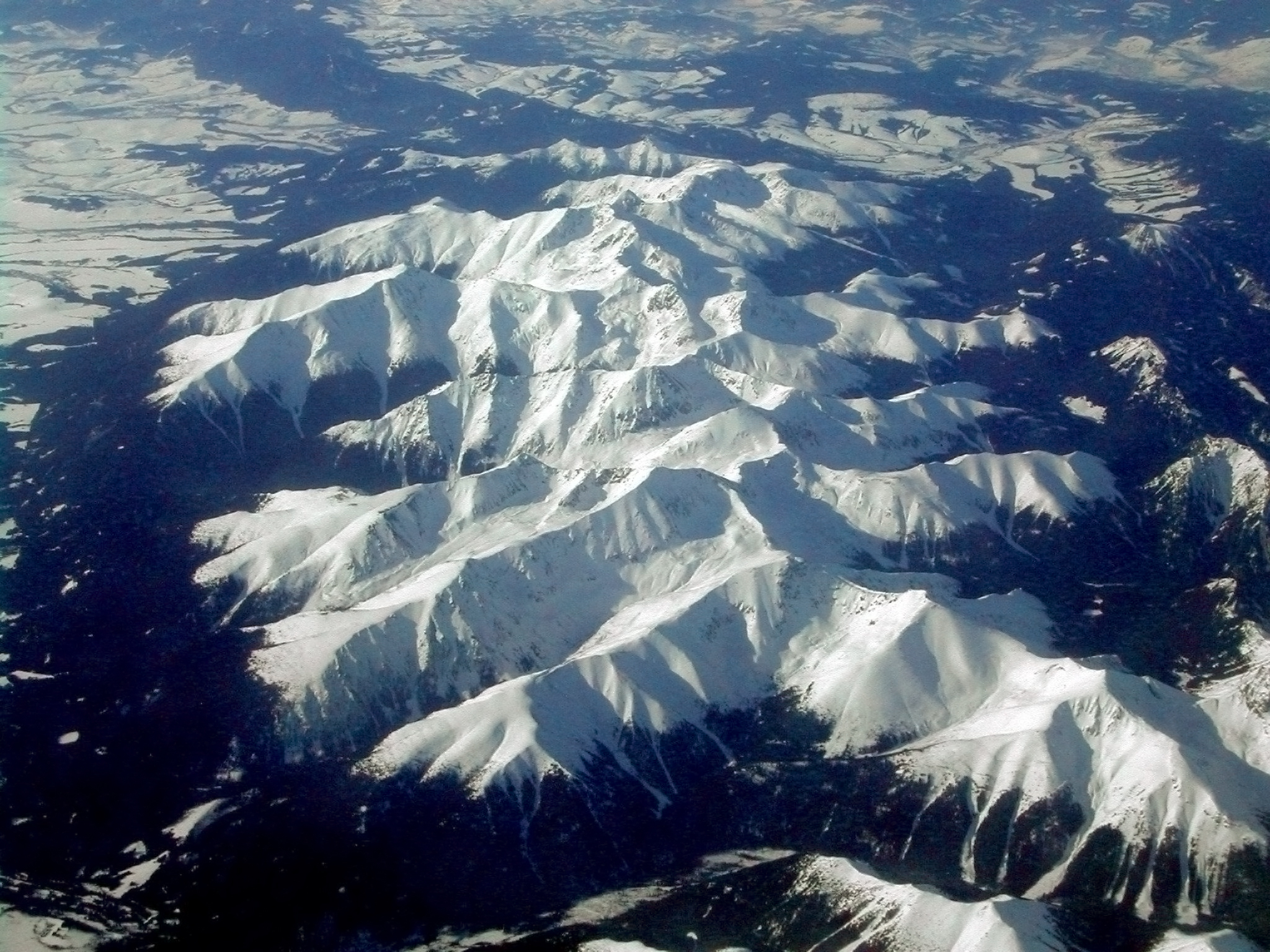
The Tatry (Tatra Mountains) form the highest range in the Carpathian arc and the only alpine terrain within Poland. Tatrzański Park Narodowy (TPN), established in 1954, covers the Polish side of the range. The Polish High Tatras span roughly 25 km east to west and reach a maximum elevation of 2,499 m at Rysy — the highest point accessible from Polish territory.
Multi-day hiking in the Tatry requires more advance planning than most other Polish mountain ranges because of access restrictions, hut reservation requirements, and the technical nature of some trails.
Trail Classification and Marking
All marked trails in Polish national parks follow the PTTK (Polskie Towarzystwo Turystyczno-Krajoznawcze) marking system. Trails are colour-coded using painted blazes on rocks and trees:
| Colour | Typical use |
|---|---|
| Red | Main ridge routes, longest trails |
| Blue | Major approach trails and connections |
| Green | Forest and valley trails |
| Yellow | Short connections and tourist loops |
| Black | Difficulty or via ferrata sections |
Black-marked sections in the Tatry typically involve ladders, chains, or exposed ridge traverses. These require more than standard hiking footwear and should not be approached in poor visibility.
Permit and Fee Requirements
Entering TPN on foot currently requires the purchase of a park entry ticket. As of 2025, tickets are sold at park entrances and online via the TPN official portal at tatrzanski.pl. Daily tickets are required for every day spent within the park boundary.
Some popular sections — particularly the approach to Morskie Oko and the High Tatras ridge — have introduced timed entry systems or vehicle restrictions. Current regulations should be verified directly with TPN before departure, as access rules have changed multiple times in recent years.
Note: Camping outside designated shelters is not permitted within TPN. Overnight stays must be in PTTK mountain huts (schroniska) or below the park boundary at licensed accommodation.
Mountain Huts (Schroniska)
The Polish Tatry have a network of PTTK mountain huts that provide dormitory and sometimes private room accommodation. Huts at higher elevations operate seasonally, typically from late May through October, with some open during winter ski season. Reservation is strongly recommended from June through August and during Polish national holidays.
Key huts along the main Tatry ridge:
- Schronisko na Hali Kondratowej — in the Western Tatras, accessible via Zakopane
- Schronisko nad Morskim Okiem — largest Tatry hut, near the glacial lake Morskie Oko
- Schronisko na Murowańcu — central High Tatras, starting point for Zawrat and other ridge traverses
- Schronisko na Hali Gąsienicowej — near Czarny Staw Gąsienicowy, widely used base camp area
Hut bookings are made individually through each hut's reservation system — there is no central booking platform for all Tatry huts. Most huts have web contact forms or phone reservations.
Sample 4-Day Route Structure
A four-day route covering the main High Tatras area from Zakopane might proceed as follows:
- Day 1: Zakopane → Hala Gąsienicowa via Kuźnice cable car or on foot via Boczań. Overnight: Schronisko na Hali Gąsienicowej.
- Day 2: Czarny Staw Gąsienicowy → Zawrat pass (2,159 m) → Dolina Pięciu Stawów Polskich. Overnight: Schronisko w Dolinie Pięciu Stawów.
- Day 3: Szpiglasowa Przełęcz (2,110 m) → Morskie Oko. Overnight: Schronisko nad Morskim Okiem.
- Day 4: Morskie Oko → Palenica Białczańska via valley trail, return to Zakopane by bus.
Elevation considerations: Day 2 of this route crosses Zawrat at 2,159 m. This involves chain sections and is not suitable in icy conditions. The approach from Hala Gąsienicowa typically takes 3–4 hours at moderate pace.
Seasonal Access Windows
The main hiking season in the Tatry runs from late June through September. Key timing factors:
- Snow: Higher passes often retain snow until late June. Crampons or microspikes may be necessary before July on north-facing slopes.
- Summer thunderstorms: Afternoon convective storms are frequent from July through August. Starting ridge sections before 9:00 and descending before 14:00 reduces exposure.
- October: Quieter than summer, but early snowfall is possible above 2,000 m. Hut services begin closing from mid-October.
Maps and Navigation Resources
The standard map series for the Tatry is published by Wydawnictwo Kartograficzne Compass at 1:25,000 scale. The maps are available at outdoor shops in Zakopane and from the publisher's website. Digital tracks are available on mapa.pttk.pl and importable to most GPS devices in GPX format.
The Karkonosze navigation guide on this site covers trail marking conventions in more detail, most of which apply equally to the Tatry.